
For almost fifteen years, one of Africa’s great iron ore deposits sat idle while its foreign sponsor promised a mine it never built. When Cameroon finally moved on, it was billed nearly five billion dollars. Last week, an arbitral tribunal tore most of that bill up.
Yaoundé and Paris, 24 July 2026.
A promise the size of a country
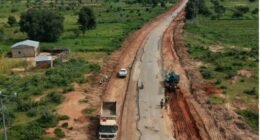
The plan, on paper, was magnificent. An open pit at Mbalam, in the forested south of Cameroon. A railway of some five hundred kilometres carrying ore to the Atlantic. A deep water mineral terminal on the coast near Kribi. The convention signed in 2012 between the state and Cam Iron, the local subsidiary of Australia’s
Sundance Resources, read like the blueprint of an industrial revolution. What followed was silence. The financing never closed. No rail was laid, no quay was poured, no tonne of ore ever left the ground. In 2015 the state, patient to a fault, signed a Transition Agreement giving its partner one more chance to perform; it entered into force on 7 July of that year. The company’s fortunes kept sinking. The deposit kept sleeping. A nation’s development was, in effect, mortgaged to another company’s decline.
The bill for nothing
Then came the invoice. When Cameroon drew the consequences of that failure, Sundance and Cam Iron went to arbitration, claiming nearly 3,000 billion CFA francs from the state, around five billion dollars, much of it for the profits of a mine that existed only in their filings. The proceedings before the International Chamber of Commerce, case number 26291, ran for five fiercely contested years.
The award
The final award, dated 20 July 2026 and notified to the parties on 23 July, is unambiguous in its architecture. More than nine tenths of the claims were set aside. The demand for lost profits, built on the discounted cash flow method, was rejected by all three arbitrators without dissent. A tribunal, the outcome says in substance, does not compensate a shareholder’s dream. What survives, according to sources close to the case, is a residual below 250 billion CFA francs, barely a tenth of what was sought, covering past costs alone. The claim was divided by more than twelve.
The dissent within
Even that fraction is contested, and contested from inside the tribunal itself. One of its members appended a dissenting opinion refusing the majority’s quantification of damages. The dissent observes that costs incurred as far back as 2006 were compensated although the Transition Agreement on which liability rests entered into force only in July 2015, and that causation was asserted rather than proved. These are not rhetorical objections. They map closely onto the grounds on which the Paris Court of Appeal reviews awards rendered in France, from the limits of the arbitrators’ mission to the requirements of international public policy.
What comes next
Cameroon will now take the residual to the Paris Court of Appeal in annulment proceedings, with a stated objective that admits no nuance: that nothing be paid at all. The precedent is fresh. On 17 December 2025, the Republic of Congo obtained the dismissal in full of the eight billion dollars Sundance claimed for the Congolese side of the same project, with costs awarded against the company.
That award was admitted into the Cameroon record in February 2026, when the tribunal reopened proceedings, not least because of the risk of one project being compensated twice across two states.
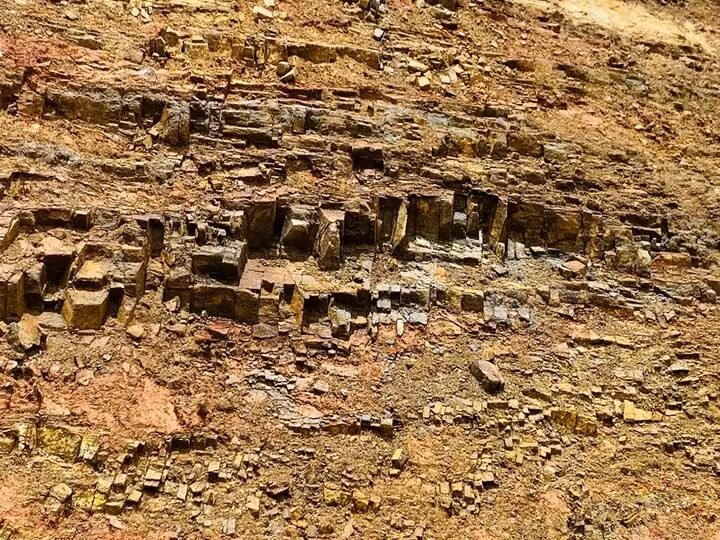
The larger meaning of Mbalam lies beyond the figures. States hold their resources in trust for their people, and they are entitled to reclaim what idles. The answer to predatory litigation by failing companies is neither resignation nor improvisation; it is rigour, patience and a defence built as seriously as others once promised to build railways. The mountain is still there. So, now, is the state’s freedom to develop it.
Amos Muang Nsah